Back to blog
Why Homemade Soup Tastes Bland (And How to Fix It)
The gap between average and genuinely great soup isn't skill or equipment. It's a handful of small decisions most people never think about — plus stock recipes that actually work NSD-safe.
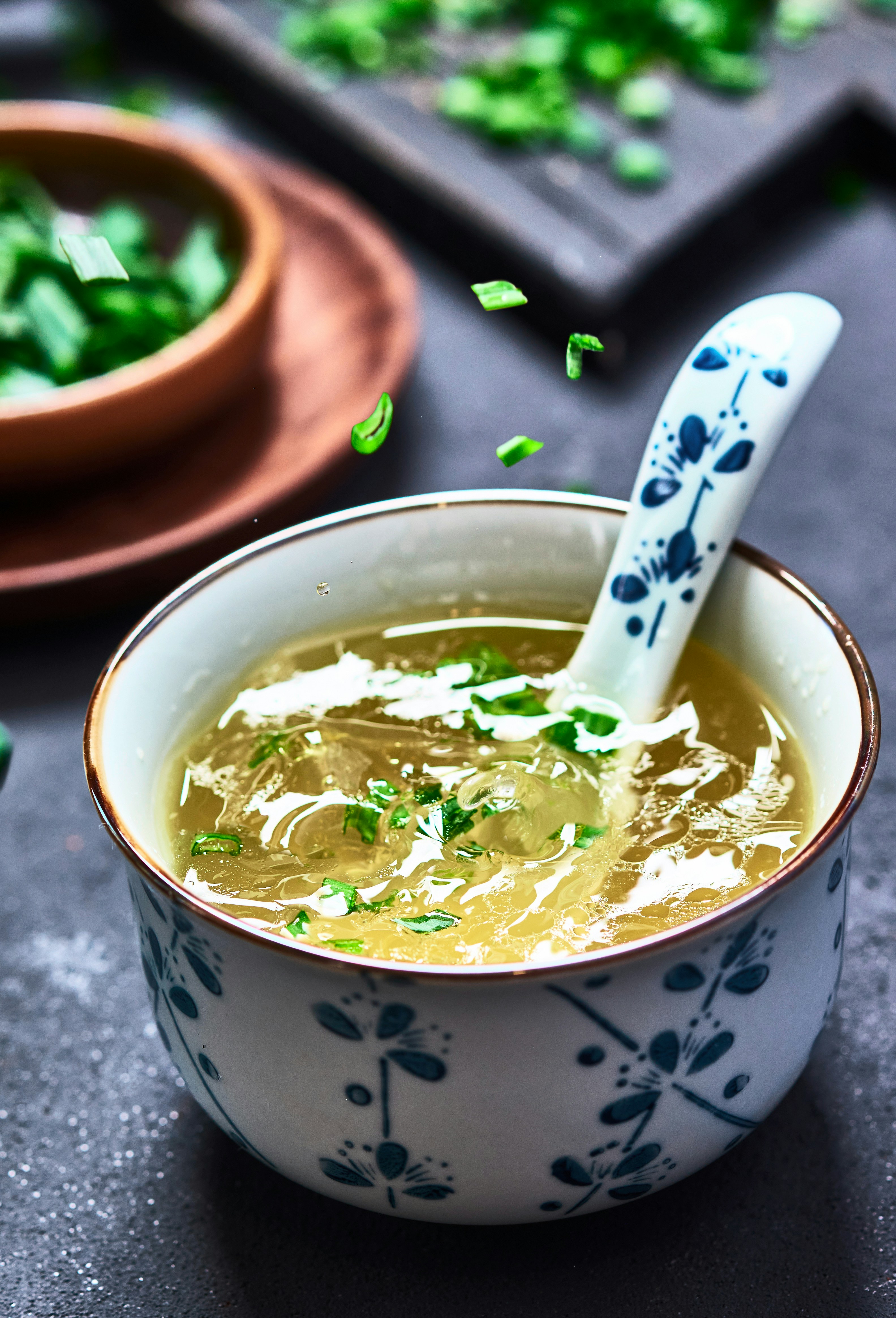
Good soup isn't complicated, but it does have a few non-negotiable rules. Get these right and you'll never go back to packet soup again.
Note: Some recommendations in this post, particularly in the Soup Extras section, include bread-based toppings and spice blends that are not suitable for a strict No Starch Diet (NSD). A fully NSD-safe version of that section is included further down.
It Starts With Stock
Stock is the backbone of every great soup. Use bad stock, get a bad soup. It's that simple.
Homemade or fresh stock from a deli is always your best bet. Frozen stock is a close second, and since you can make it in bulk and freeze it, that's actually a smart move. Stock cubes work in a pinch, just check the label and go for ones with no added MSG or nasty fillers.
NSD Note: Unfortunately stock cubes tend to be full of starch. So the safest call is to create your own stock from scratch.
One thing to watch: commercial stocks are almost always saltier than homemade. So don't season your soup until the very end, after everything's had time to cook down and concentrate.
And use the right stock for the recipe. Beef stock in a chicken soup will bulldoze every other flavour in the bowl.
The Pan Matters More Than You Think
Use a heavy-based pan. Not because it looks fancy, because it distributes heat evenly and stops anything catching on the bottom.
Wide, shallow pans let too much liquid evaporate. Stick to something deep and heavy.
Know the difference between a simmer and a boil too. A gentle simmer means the surface is barely moving. A boil means bubbles are actively breaking the surface. Most soups want a simmer. Boiling too hard can turn your soup cloudy and wreck the texture.
If a recipe says partially cover the pan, tilt the lid so steam can escape. It's not just fussy chef talk, it controls how fast the liquid reduces.
Puréeing: Don't Rush It
If you're blending your soup, let it cool down a bit first. Hot liquid in a blender is a burns-waiting-to-happen situation.
Pour it into a bowl, then wash the pot so you've got somewhere to pour it back once blended. Do it in batches and never fill the blender more than halfway.
A blender gives a smoother, finer result than a food processor. The food processor is fine though, it just aerates the soup a little, giving it a slightly lighter texture.
For clear soups, you'll need to strain through a fine sieve. Some recipes call for lining it with damp muslin for an extra clean result. No muslin? A clean damp kitchen cloth works just as well.
Make It Ahead, Seriously
Soup actually gets better overnight. The flavours develop in the fridge in a way they just don't while cooking.
Most soups keep for up to 3 days in the fridge or 1 to 3 months in the freezer. Just make sure you store them in airtight containers.
A heads up though: soups thicken as they sit. When reheating, thin it out with a splash of the same stock, water, or cream you used originally. Taste and adjust the seasoning again, it nearly always needs it.
If your soup has cream or pasta in it, add those when you're reheating to serve, not before storing. Cream goes weird and pasta turns to mush.
Soup Extras Worth Making (Not NSD safe!)
This is the bit most people skip, and it's a shame, because the right accompaniment turns a good soup into a proper meal.
Croutons are dead easy. Brush cubed bread with olive oil and a bit of crushed garlic, bake at 180°C until golden. Done. They add crunch and make the whole bowl feel more substantial.
Garlic snippets are a quicker, pan-fried version. Toss bread cubes in garlicky oil in a hot pan until golden and crisp, drain on paper towel, scatter over the top.
Aioli is perfect dolloped on thick vegetable soups or anything with a bit of richness to it. Make it in a food processor with egg yolks, garlic, lemon juice, and a slow pour of olive oil. It keeps in the fridge for up to 3 weeks.
Harissa is your go-to for adding heat and depth, especially in pumpkin or tomato soups. It's a chilli paste you can buy ready-made, or blitz your own with dried red chillies, garlic, cumin, coriander, salt, and olive oil. Add it to your bowl a little at a time, it packs a punch.
Soup Extras Worth Making (NSD Safe!)
Toppings make a big difference to a bowl of soup, and you don't need starch to get there.
Crispy bacon or pancetta is your best crouton replacement. Fry until properly crisp, drain on paper towel, and crumble over the bowl. Adds salt, crunch, and a smoky depth. Just check the label, some brands sneak in starch fillers or sugar coatings.
A swirl of pure cream or good olive oil right before serving adds richness and a silky finish. Simple but genuinely effective.
Hard cheese, finely grated, works especially well on vegetable or meat-based soups. Parmesan or a sharp aged cheddar melts slightly into a hot bowl and adds a savoury hit.
Fresh herbs scattered on top, parsley, chives, or basil, brighten the whole bowl. No starch, no prep, just flavour.
A soft or hard-boiled egg, sliced or crumbled over the top, adds protein and richness. Works particularly well on broth-style soups.
Pure chilli oil (check it contains only oil and chilli, nothing else) gives you the heat of harissa without the risk of hidden starches from commercial blends.
One thing worth knowing: strict NSD varies person to person. If you're newly diagnosed or still identifying triggers, introduce extras one at a time so you can spot what's causing a reaction.
The Stock Recipes You Actually Need
Three stocks cover almost everything:
Vegetable stock. Onion, leeks, carrots, celery, zucchini, bay leaves, fresh thyme, fresh parsley, garlic. Simmer for 1 hour, strain well.
(Parsnips removed. Bouquet garni sachet swapped for fresh herbs tied together. Peppercorns left out.)
Chicken stock. 2kg chicken bones, onion, carrot, celery, bay leaves, fresh thyme, fresh parsley, garlic. Simmer for 3 hours, strain, refrigerate, skim the fat off the top once cold.
(Same swap: fresh herb bundle instead of commercial bouquet garni. Peppercorns removed.)
Beef stock. Roast the bones first at 210°C for 30 minutes, this is what gives it the deep flavour, then simmer with carrot, onion, celery, bay leaves, fresh thyme, and fresh parsley for 4 hours. Strain and skim the fat.
(Tomato paste removed entirely rather than risk hidden starch. The long roasting of bones adds enough depth without it. Fresh herbs replace the bouquet garni sachet.)
All three freeze for up to 6 months. Make a big batch on a lazy Sunday and you'll thank yourself every time you want soup during the week.
The difference between a boring soup and a brilliant one usually comes down to three things: good stock, the right heat, and a bit of patience.
Nail those, and everything else takes care of itself.
Looking for NSD-safe soup recipes to put this into practice? Browse the full recipe library at thegallaghers.blog/recipes.
Stay in the Loop
We write about NSD cooking, living with a chronic condition, and the Gold Coast life. No spam, no fluff. Just honest posts when we have something worth saying.
Subscribe below and we'll send you new posts as they go live.